
ufcna.com – Българска версия на сайта
Асоциация при проблем с трафика и въздушния транспорт
Неприятности породени от прекалено натоварения въздушен трафик: шумово замърсяване, локална промяна на екологичната обстановка, риск от катастрофи, въздействие върху населението.

Актуалност
Винаги актуални новини
Може да разчитате, че поднесените тук новини са актуални, а информацията полезна и важна.
Удобство
Следете новостите с 1 клик
Организацията на информацията в сайта https://ufcna.com е максимално опростена за ваше удобство.
Достоверност
Достоверен източник
Всички новини са от проверени източници и линковете към тях се проверяват от администратор.
Научете повече
Всички последни новини тук
Пътуване


Най-подходящите обеми и размери на туристическите раници според продължителността на прехода
Планинските преходи и туристическите разходки са едно от най-зареждащите преживявания, които можем да си подарим. Те ни дават възможност да се откъснем от ежедневието, да се насладим на природата и да подложим тялото си на полезна физическа активност. За да бъде това преживяване комфортно и безопасно, изборът на правилна туристическа раница е от ключово значение.…


Как да си организираме по-евтина почивка?
Отпуската е важен момент за всеки от нас, но често пъти разходите, свързани с нея, могат да натоварят нашия бюджет. Въпреки това, с правилно планиране и организация, можем да си осигурим приятна почивка, без да изпразваме напълно портмонето си. Искаме ви представим няколко полезни съвета как да съчетаем комфорт и икономия по време на ваканцията…
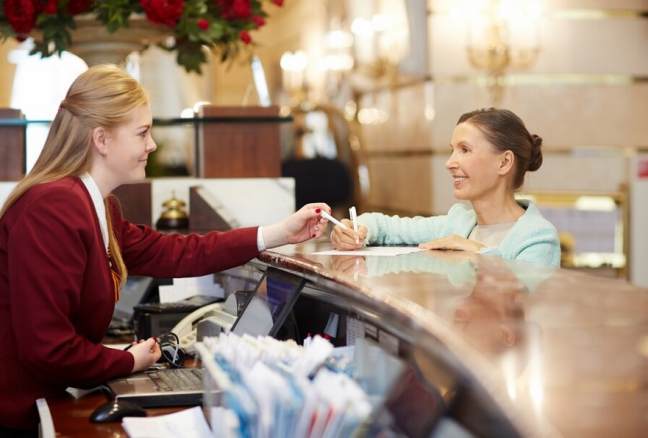
Отпуск в България: уют и почивка в хубави СПА дестинации
България, със своите богати природни ресурси и топли термални извори, предлага идеалната среда за спокоен и приятен СПА отдих. Нека се фокусираме върху някои от най-привлекателните СПА дестинации в страната, където можете да се потопите в блаженство и релаксация. Сандански – минерален рай в Родопите Сандански, разположен в сърцето на Родопите, се отличава с изключително…
С какво ufcna.com може да ви бъде полезен?
Съвети за вашето пътуване
Ето с какво може да ви съдействаме при решаване на проблеми с въздушния транспорт, авиопревозвачите и летищните компании.

Спомени за цял живот
Време е да започнете Вашето ново приключение! Пътуването е невероятен начин да изследвате света, да разширите хоризонтите си и да създадете спомени за цял живот. Независимо дали сте опитен пътешественик по света или планирате първата си почивка. Тъй като светът непрекъснато се развива и се появяват нови тенденции в пътуването, да
бъдете информирани и актуални е от съществено значение. Тези предложения за пътуване, ще Ви вдъхновят.

Логистика за всеки бизнес
Без значение дали управлявате малък онлайн магазин или голяма търговска фирма, логистиката и складирането са важни за всеки анализ, стратегия и иновативни решения. Благодарение на тези услуги ще може да планирате, и ще ви помогнат да подобрите доставките, управлението на инвентара и ефективността на цялата ви верига на доставки. Тук ще откриете изчерпателни насоки и съвети за оптимизиране на вашия логистичен процес.

Открийте нови дестинации
Вие сте запален пътешественик? Обичате да пътувате със самолет и да откривате нови дестинации? Тогава е от изключително значение да се запознаете с нови интересни места, различни култури, нрави и обичаи. Важно е да знаете какво да сложите в багажа си, как да се предпазвате по време на своята ваканция и как да планирате най-добре времето си. За всички съвети се доверете на Tripi.Bg!
Полезни статии за пътувания и дестинации.
Не намирате търсената от вас информация? Разгледайте статиите в блога ни.
Транспортни новини
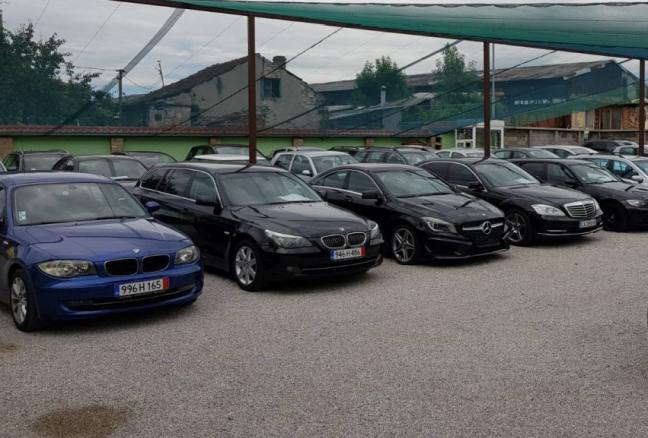
Покупка на кола на старо – плюсове и минуси
Покупката на употребяван автомобил може да бъде добра алтернатива на новите коли, особено ако сте с ограничен бюджет. Този път ще разгледаме плюсовете и минусите на покупката на кола на старо, за да ви помогнем да вземете информирано решение. Плюсове при покупката на кола втора ръка: Минуси на покупката на кола на старо: Как да…
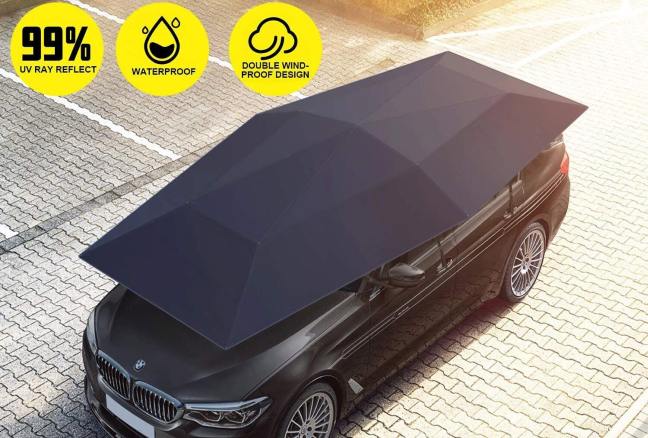
Как да предпазим автомобила си от градушка
В тази статия ще прочетете няколко съвета и процедури, как да предпазим колата от градушка Градушката е природно явление, което може да предизвика сериозни щети на автомобила ви. Ударите от градушката могат да повредят каросерията, стъклата и други части на автомобила. Този гайд ще ви предостави съвети и процедури за предпазване на автомобила ви от…
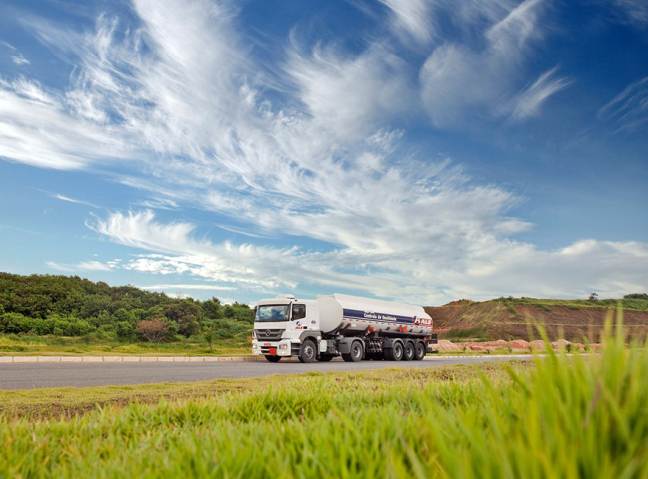

От химикали до експлозиви: Изследване на света на превоза на опасни товари
Транспортирането на опасни товари по шосе /ADR/ е критичен и сложен аспект на съвременната логистика. От запалими химикали до експлозивни материали, безопасният и ефективен транспорт на опасни вещества е от първостепенно значение за защита на обществената безопасност и опазване на околната среда. Тази статия навлиза в многостранния свят на транспортирането на опасни товари, изследвайки разнообразното…
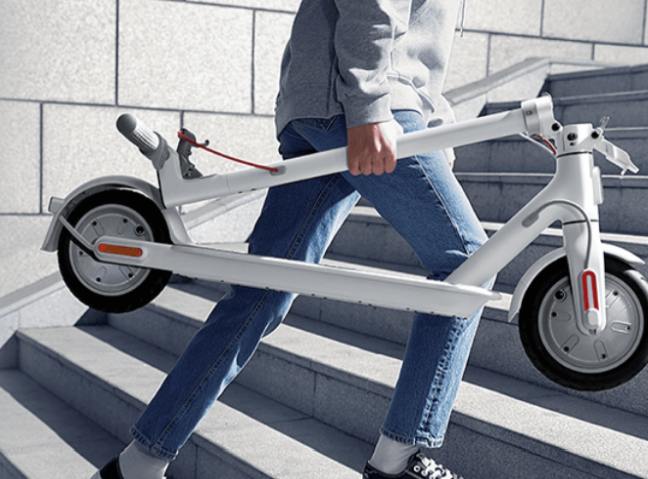
Най-добрите електрически скутери за градски условия
Пазарът на електрически тротинетки е наводнен с различни модели и модификации, но днес ще направим обзор на най-подходящите ел. скутери за градси условия. Съвети за избор на ел. тротинетки Когато търсите да купите нова ел. тротинетка, трябва да имате предвид няколко фактора за успешна покупка. Безопасността е от първостепенно значение. Търсете скутер с 8-инчови или…
С какво ufcna.com може да ви бъде полезен?
Авто-мото информация
Полезна информация за автомобилния транспорт, подобрения по автомобила ви, ремонти по него, авточасти или обслужване.

Добър адвокат при птп
„Подай ръка“ е специализирана адвокатска кантора предлагаща правна помощ на пострадали при птп /катастрофа/ водене на дела за максимално финансово обезщетение, както за пострадалия така и за неговите близки при средна и тежка телесна вреда. Podairaka.com е специализирана и оказва правно съдействие и при случай на трудова злополука. Възползвайте се от безплатна консултация и пълно съдействие с професионална адвокатска консултация.

Поддръжка на автомобила
Грижата за колата е важна за всеки, който иска да разчита на безпроблемно пътуване. Закупуването на висококачествени моторни масла, авточасти, антифриз, течности за чистачки и аксесоари за вашия автомобил е една от основните задачи пред всеки собственик. Подобрете работата на своя автомобил и удоволствието от шофирането. Тук можете да намерите широка гама от продукти и решения, които поддържат вашия автомобил в отлично състояние.

Изкупуване на автомобили
Изкупуваме автомобили в движение след 2005 г. Вземете най-добрата цена за старата си кола на момента. Фирмата izkupuvame.com е на ваше разположение при замяна (бартер) лизинг и директно изкупуване на ненужния ви автомобил. От нас ще получите коректно отношение, плащане на момента както и най-добрите условия. Повече от 10 г. сме на пазара и имаме много доволни клиенти, като някой от тях са ни приятели, това ни отличава от конкуренцията! Намираме се на удобна локация в ж.к. Красно село – София.
Не намирате търсената от вас информация? Разгледайте статиите в блога ни.
Технологии

Силата на симултантния превод при бизнес събития
В днешния взаимосвързан свят бизнесът работи в глобален мащаб, надхвърляйки географските граници в преследване на възможности. На фона на тази глобална експанзия, ефективната комуникация стои като първостепенен фактор за осигуряване на успех. Симултанният превод е мощен инструмент, който революционизира начина, по който бизнесите се свързват, сътрудничат и процъфтяват в многоезични среди. В тази статия ще…
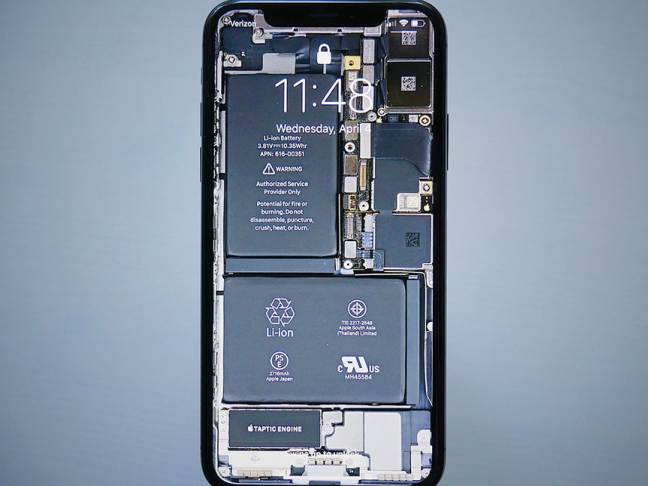
Ползите от ремонт на телефона, вместо покупка на нов
В днешния свят мобилните телефони са станали неразделна част от живота ни. С напредването на технологиите обаче се увеличават и цените на новите телефони. Много хора се изкушават да надграждат телефоните си всеки път, когато се пусне нов модел, но е важно да обмислите ползите от ремонта на телефона си, вместо да купувате нов. Като…

Защо ни е нужно двуфакторно удостоверяване (2FA) за по-добра защита?
Тази опция за защита на личните данни, профили за логин и важна информация онлайн стана много актуална през последните няколко години. В тази статия ще се опитам да ви дам максимално изчерпателна информация, как работи 2-факторното удостоверяване /2FA/ и къде може да бъде ползвано то. Какво е двуфакторно удостоверяване? Двуфакторното удостоверяване (2FA) е функция за…
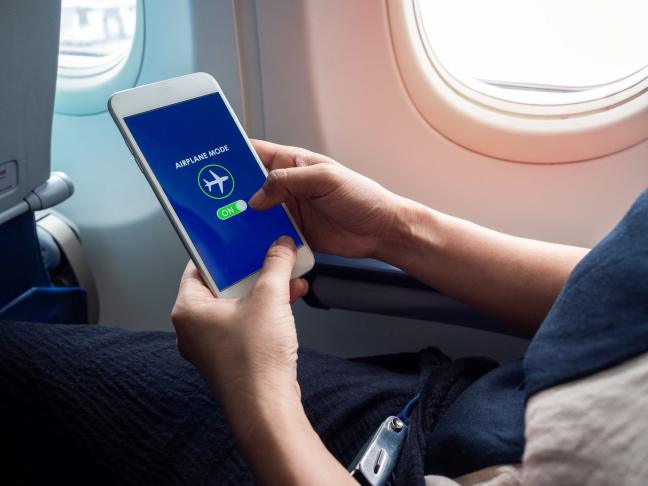
Защо се налага да изключим смартфона си по време на самолетен полет
Най-вероятно всеки знае, че преди излитане на самолета стюардесите извършват рутинно запознаване на пътниците с най-важните условия и информация за безопасен полет. Това включва начина на ползване на коланите, маските за въздух, всички изходи на самолета, самия модел и технически характеристика на аероплана и не на последно място правилата за ползване на електронни устройства като…
С какво ufcna.com може да ви бъде полезен?
Нови технологии и джаджи
Модерния начин на живот все повече ни ангажира с използването на съвременни технологии, мобилни устройства и джаджи.

Софтуерно премахване на дпф филтър
Софтуерно премахване на дпф (филтър за твърди частици) чрез чип тунинг и оптимизиране на вашият автомобил. Освен това предлагаме и премахване на егр клапа, изключване на адблу и вихрови клапи, което ще доведе до понижаване на разхода и подобряване на мощността и динамиката. Топ диагностика предлага цялостни решения за ремап чрез оригинална диагностична апаратура на дилърско ниво за всеки един автомобил. Намираме се в гр. София и можем да ви посетим на удобно за вас място.

Оглед на автомобили в София
Предлагаме оглед и проверка на кола преди покупка в гр. София на място. Водеща фирма сме в бранша и сме се наложили на пазара с хиляди доволни клиенти с опит над 10 години. Ако искате да разберете реалните километри и цялостното състояние на автомобила, може да потърсите oglednakola.com също така и ако искате да продадете старата си кола ние изкупуваме употребявани автомобили след 2004 г в движение и добро състояние с цел препродажба.

Сменяйте редовно моторното масло
Карате по пътя и напомнянето за смяна на маслото се включва в колата Ви. Смяната на маслото е сравнително бърза и лесна процедура и е от съществено значение, за да поддържате двигателя чист и да работи ефективно. С течение на времето редовната смяна на маслото ще помогне за премахване на натрупаните замърсители и ще удължи живота на Вашия двигател, така че това е полезна инвестиция, която не бива да се пренебрегва.
Не намирате търсената от вас информация? Разгледайте статиите в блога ни.
Интериор
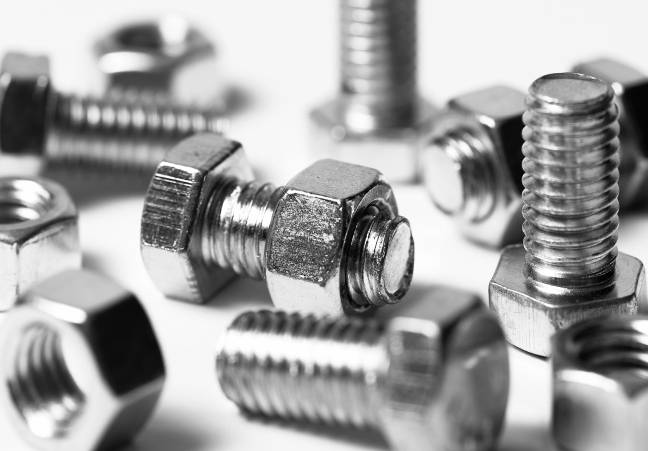

Избор на правилните болтове за ремонт, строителство и хоби проекти – практично ръководство стъпка по стъпка
Правилният избор на болтове е ключов за здравината, безопасността и дълготрайността на всяка конструкция или ремонтна дейност, както в домашни условия така и в строителството. Независимо дали става дума за сглобяване на мебели, ремонт на покрив, монтаж на метални конструкции, дърводелски проекти или „направи си сам“ хоби проекти, всеки болт има съществена роля за стабилността…
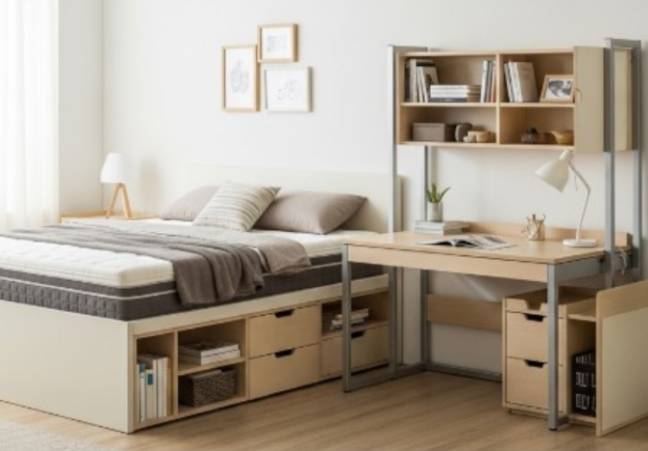
Мултифункционални мебели за детската стая
Мултифункционални мебели – легла с чекмеджета, бюра с рафтове и други практични решения са новият хит при обзавеждането на детска стая. Съвременният дом става все по-компактен и практичността в обзавеждането е ключова. Особено когато говорим за стаята на децата, където трябва да се съчетаят пространство за сън, игра, учене и съхранение. Тук на помощ идват…

Какво е подходящо, когато купувате подаръци за годишнина
Когато купувате подаръци за годишнина от сватба за вашата половинка, трябва да знаете какво да търсите, с което да я впечатлите. Можете да избирате от разнообразие от традиционни подаръци или по-модерни варианти. Трябва да вземете предвид и стила на подаръка. Нека да разгледаме някои от добрите възможности. Аранжировката с плодове е страхотна идея за тези,…

Предимства на модерната пвц дограма
Да поговорим за дограмата, а именно всички прозорци, врати и дори капандури… Защо да изберем съвременни решения за пвц дограма? Все по трудно можете да намерите жилище с дървена или алуминиева дограма. Голяма част от хората избират за своето жилище нова дограма от поливинил хлорид или накратко казано ПВЦ. И за това има няколко много…
С какво ufcna.com може да ви бъде полезен?
Полезни хакове за дом и градина
Готови ли сте да превърнете дома и градината си в по-удобни и функционални места? Тук ще прочетете много вдъхновяващи идеи!

Красива и поддържана градина
Пролетта съвсем скоро ще дойде и това означава, че сезонът за косене на тревата започна. Надяваме се, че вече сте извадили оборудването си от зимния склад и сте го тествали, за да се уверите, че работи. Разбира се, това ще Ви гарантира красива поляна през лятото, готова за градински партита и барбекюта. Някои от най-често забравяните части от градинското оборудване, които наистина могат да Ви помогнат по това време на годината, са тримерите за трева.

Заложете на градински мебели от ратан
Мебелите от ратан се превърнаха в популярен избор както за вътрешни, така и за външни пространства поради своята издръжливост, стил и достъпна цена. Има много причини, поради които трябва да ги добавите към декора на дома си.
Ако изберете мебели от ратан за вашата градина, няма да останете разочаровани.
Висококачествените ратанови градински мебели могат да издържат между 5-10 години, а понякога и повече, ако се грижите добре за тях.

Професионални услуги от 4motion.bg
4 моушън бг е професионална софтуерна компания базирана в гр. София. Специализирана в сферата на автомобилния силов тунинг. Фирмата предлага всякакви софтуерно решения на високо световно ниво, а именно: чип тунинг /ремап/ stage1 stage 2 pop corn. Компютърна диагностика и софтуерно премахване на дпф, егр, адблу и вихрови клапи на автомобили, бусове и камиони. Фирмата използва само оригинална лицензирана апаратура и доказан софтуер.
Не намирате търсената от вас информация? Разгледайте статиите в блога ни.
Здраве и красота

Jean Paul Gaultier Le Male Le Parfum отразява актуалните тенденции в парфюмерията
Кехлибареният аромат за мъже Jean Paul Gaultier Le Male Le Parfum излиза на пазара през 2020 година. Той продължава най-популярната уханна линия на бранда, определяна като една от най-продаваните в парфюмната история. Колекцията Le Male включва аромати за мъже от всички възрасти и отговаря на различни вкусове и предпочитания. Впечатляващо и изискано, Jean Paul Gaultier…

Как зимните спортове благоприятстват здравето и имунитета ни
В днешната публикация ще поговорим за ползата от зимните спортове, които може да практикувате в България: Ски, Сноуборд и Фрирайд. С наближаване на зимния сезон в България, всички запалени по планината и белия сняг вече точат ски и чакат с нетърпение пускането на ски влековете и лифтовете. Зимата носи със себе си не само студ…
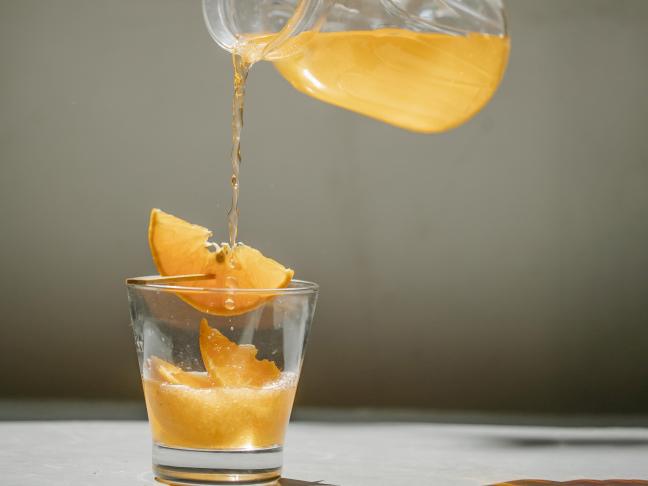
Няколко полезни напитки за горещите дни
С идването на топлото време през наближаващото лято на 2022 г., идват и въпросите, как да се охладим и да дадем всичко нужно на организма, за да не се обезводни. Идеално решение е любимият на всички айрян, една студена чаша прясно мляко, както и доматеният сок, който има диуретично, холеретично, също така противовъзпалително както и…

Неблагоприятни ефекти от консумацията на млечни продукти
Безспорен е фактът, че млечните продукти имат изключително много полезни качествена и въздействие върху организма ни. Но също така и те имат своите вредни въздействия върху здравето. Като пример веднага ще дадем маслото, както и сметаната, пълномаслените млека и сирена, които са с висока масленост и голяма калоричност. Тяхната прекомерна консумация увеличава риска от свръхтегло…
Ако искате вашия блог пост да бъде публикуван в сайта, може да ни пишете и предложите материал

Какво казват клиентите за сайта ни?
“
Открихме полезно и ново съдържание, в сайтът има много интересни и актуални теми.
“
Въпроси и отговори
1
Мога ли да публикувам мой авторски материал?
Да, може да ни изпратите ваш авторски и уникален материал, който след преглед и одобрение ще бъде публикуван. При повече материали ще получите специален статут на автор. Сайтът има 24 годишна история като релевантен и достоверен източник на информация.
2
Кога ще я публикувате?
Стремим се да реагираме максимално бързо, но според нашите ангажименти и броя заявки за публикуване на блог постове, времето за качване може да бъде до 12 часа, след получаването й.
3
Какви тематики се публикуват?
Желаем да публикуваме свежо, интересно и най-важното полезно съдържание. Това е домейнът на френската асоциация за борба с шума от самолети и справяне с въздушни инциденти. Във връзка с това, тук ще откриете най-много материали за пътуване, отдих и транспорт. Разбира се ще откриете и други интересни теми като здраве и технологии.
Ако желаете да разгледате всички материали, публикувани в сайта, посетете картата на сайта.
40+
Блог статии и бройката расте
8
важни категории
24
годишна история
100%
качествено съдържание